

It’s hard to write about such personal matters on a public forum, baring your innermost failings for all to see. Given the most recent evidence-based announcements on the impact of COVID on mental health, especially amongst frontline workers, I feel I have the obligation to share my story. In the last year, as if life wasn’t stroppy enough, we all had to deal with loss at different levels: loss of freedom, holidays, seeing family, exercise, livelihoods, and the most horrific of all, loss of loved ones. Even if my story touches the life of one person, just one person, it’d be a good thing, suruly.
My struggle with mental health goes back to my early youth, being a gay teenager in a brutally unforgiving culture like Greece. I had many ups and downs, twists and turns. I ran away from home at 17, hiding anonymously among strangers in a Mediterrean island for a year. That was followed by feelings of desperation, anxiety and depression, coming and going in waves. I found refuge in drugs and alcohol. I ran away from intimacy. I spent endless days curled under my duvet, only peeping out for a breath of stale air in a 2×2 studio apartment in a cut-throat city like New York. And all that while keeping my professional facade intact. How did I manage it (or maybe I didn’t according to some)? I was never clinically diagnosed with any mental issues. I never allowed myself to look into it. Why should I? Isn’t it normal that we all feel like this, I kept on telling myself? It took me a long time to face up to my issues and do something about it. My pivotal moment came in my late thirties, empowered by Vipassana meditation and with the endless support of a loving partner and close friends. I never looked back!
But this is not about me. This is a story about the learning from my journey (which, by the way, never ends) and a few practical tools on how to nurture our mental well-being. We all need it during these difficult times. I am not a phycologist and this is not medical advice for depression, just to put it out there. If you think you’re experiencing symptoms of depression, stop reading now, shut down your laptop (probably iphone?) and seek professional advice. For the rest of you, dealing with uncertainty and chaos, read on.
I believe we can nurture our mental wellness in two practical ways: first, the easy, quick tools you can adjust your ‘outer world’, your surroundings and habits to create a mind-balancing environment. Then comes the deeper ones, focusing on our ‘inner world’. These require commitment and practice, but their impact goes deep.
In this post, I’ll run through the ‘outer-world’ bag of tools for a resilient state of mind:
- Be selfish with me-time.
Think about your mindset for a second. Do you feel guilty even just thinking about carving out time for yourself? This is a put-your-oxygen-mask-on-first type of situation. Start by accepting the need that you come first. You’ll never go far unless you realise that your child will thank you, eventually, for being selfish.
- Keep on moving.
Let’s get the basics right. You can’t have a healthy mind in an unhealthy body. Fullstop. Even if it is a couple of days a week, it still counts. In lock-down scenarios, focus on walking, running, cycling (minus the lycra bodysuit please!). Or turn your hallway (yes, most of us live in boxes) or your 5th room, if you live in a mansion, into your favourite exercise room: kettlebells, rubber bands, yoga matts, whatever works. On my wishlist: Tonal, the world’s smartest home gym. Boss, if you’re reading, I need a pay rise! In ‘normal’ times (aka 2023), sign up for Pilates, dance lessons, squash, bootcamp, or whatever rocks your boat.
- Get a pet.
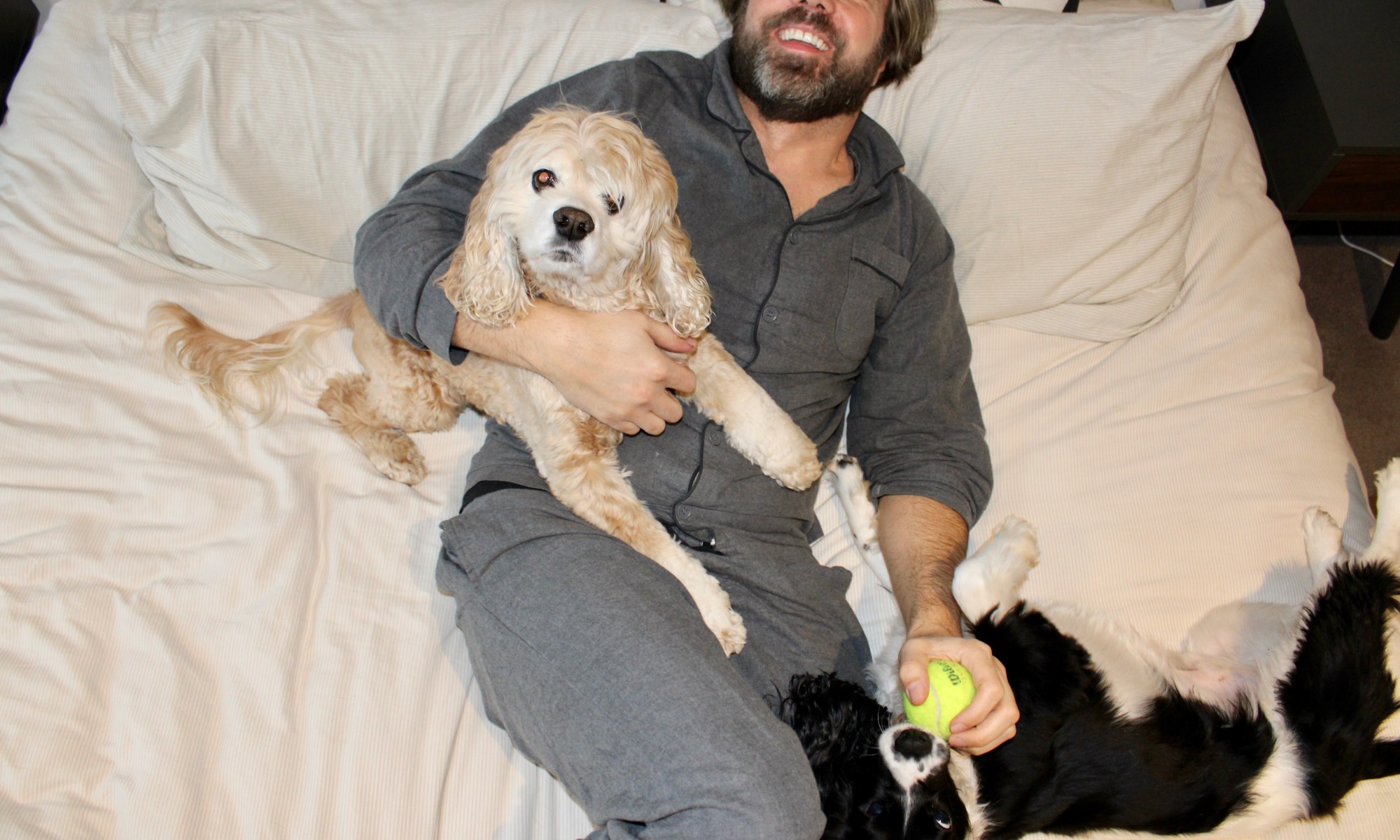
Cliche? Yes, but so true. Study after study has shown the tremendous mood-boosting ability pets-of-any-kind have on little us humans. Nothing beats my 3 minutes greeting with my two doggies, every morning at 730am, us three rolling on the carpet! Worried about commitment? Get a low maintenance one, like a rabbit (no rolling on the carpet I’m afraid). Or go for a pet sharing approach, commitment is not an excuse any more. Remember, devoting well-structured time with them is more important than owning. Pets love routines and so does our scattered mind (more on this further on).
- Create a jungle room.
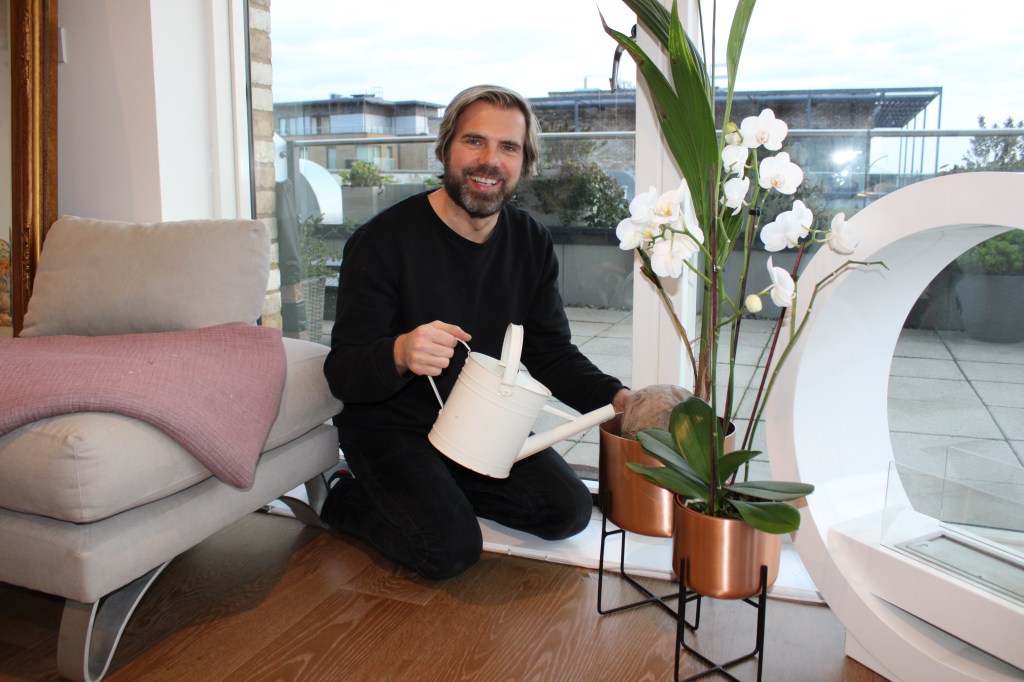
If a pet is too much for you, invest in plants, many of them. The more, the better, as studies show that being surrounded by plants and greenery helps people feel more calm and relaxed. My experiences taught me that the more ‘difficult’ the plant, the more care it needs, and subsequently, the more satisfaction you get by looking after it. A plant that will be very unhappy if it doesn’t get its daily mist, that’s the one I mean. Like in the case of a pet, you create an incredible bond that soothes the most agitated minds. My most demanding child is a lovely cocos nucifera, aka Ferocious Fera. I’ve already killed one in the last month or so (murderer).
- Start a hobby
I personally find it ridiculous when I see online profiles (no, I don’t use Tinder or Grindr, in case you’re wondering) and people say: Hobbies – Travelling, reading. Summer beach reading does not classify as a hobby. At least not in the context of improving your mental health and building a resilient mind (although, a David Sedaris book on a chaise-longue sounds marvelous). When I say ‘hobby’ here I mean an activity that you’ve tremendous passion about. Something you can immerse yourself and get lost in. An activity that requires some kind of skill and craft. Finally, something that you do just for you, no judgment, not rating, no matter how good or bad you are at it.
For me, this is perhaps the most potent tool you have on this list. There is a body of evidence from psychology and advanced neuroscience that having a hobby is the most accessible and simple way to boost your mental health. There many reasons why it works
- It gives you the opportunity to express yourself and relax at the same time.
- It boosts your self-image (unlike social media), since you’re creating something
- It occupies your mind in an almost meditative state, helping you to disconnect
Whether your hobby is creative, academic, athletic or something personal, the important thing is that you find it meaningful and enjoyable.
I continuously experiment with these tools, not necessarily all at the same time. I find the more intention I put in them, the higher the influence I have on my mental wellness. In an upcoming post, I’ll talk about the ‘deeper ones’, focusing on our inner world: awareness, equanimity, sitting with feelings, leading an examined life, routines and changing habits.
Until then, stay safe and get in touch to let me know your experience with any of these tools. Or any other tricks you might have up your sleeves!
 Macro-Wellness