

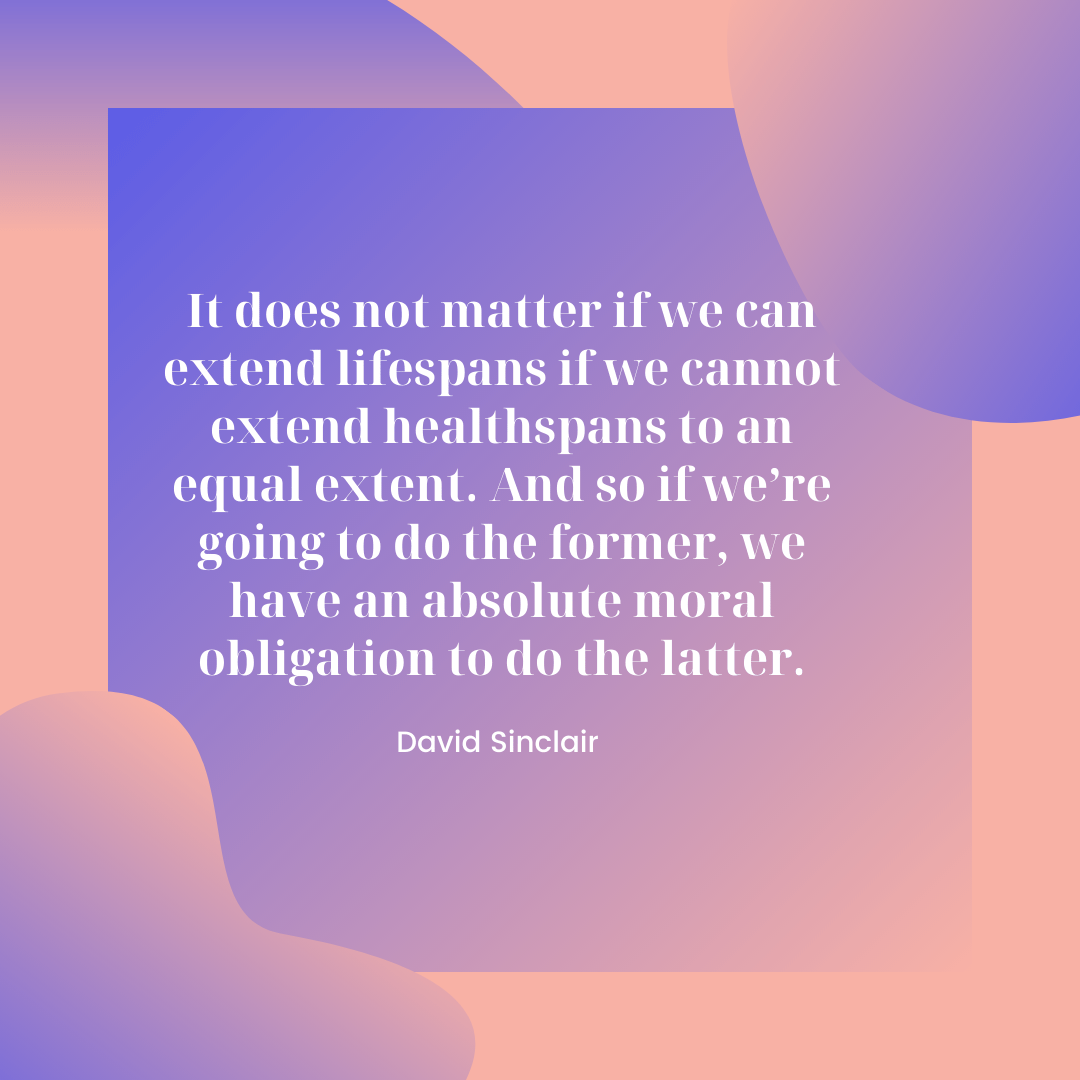
I fell into a rabbit hole. It was a brutal fall. After writing Part I about appreciating and accepting the aging process, I spent last week obsessively researching the question of aging at a nano level. The more I read, the weirder it got. Two books stopped me from turning my rabbit hole in a black hole of no return: David Sinclair’s Lifespan and Bruce Lipton’s The Wisdom of Your Cells. Although very different in style, and not always backed by definitive science, they both arrive at a similar fascinating conclusion about the importance of the external environment and the role that it plays in managing and even influencing our cellular age and general health. For the geeks of you, Sinclair talks about Epigenetics and the importance of analog information (aka physical environment) as the determining factor of aging, as opposed to the mainstream view of digital genetic information being the orchestrator. All backed with scientific data, thank you very much. Lipton goes one step further, daring to connect the science of Epigenetics to the spiritual world, claiming that not only the physical, but also the spiritual environment can change the condition of our cells, pointing the way of how we can manage our health through the power of thought.
Are you lost yet? Here’s the point, it all comes down to the environment, or ‘the terrain’ as Antoine Bechams once said back in the 19th century, antagonising but eventually losing to the theory of germs by Pasteur. Guess who can influence and control the environment that determines the well-being of our cells and our bodies? You. Since we’re still very far from a miracle drug, you and I have only one option: concentrate our efforts on creating a daily optimal environment for our cells to thrive. It’s not rocket science and it does require commitment to daily care, starting with three straight-forward behaviours.
FOOD: a diet packed with antioxidants and anti-inflammatory properties – aka plant-based.
I know, much talked and written about, yet a quick research will tell you that it still hasn’t permeated the everyday. Kill those free-radical-bastards. If there is one thing, just one little thing, you can do to be more Age Positive is to put more phyto-micronutrients in your daily diet. Don’t take my word for it, trust the numerous scientific findings (some in my rabbit hole notes). Start with a hero free-radical killer food that you can eat everyday. My hero antioxidant part of my religious everyday nutrition is Blueberries. They are rich in vitamins A and C, as well as an age-defying antioxidant called anthocyanin. This is what gives blueberries their deep, beautiful blue color. Find your hero below:
- Vitamin C, Vitamin E, and Selenium: Oranges, guavas, strawberries, grapefruit, kiwi, oranges, papaya, leafy-green vegetables, tomatoes.
- Folate/Folic Acid: Folate helps the body produce new, healthy cells and protects the telomeres against shortening. Leafy-green Veggies, (spinach, broccoli, swiss chard, asparagus, Brussel sprouts), lentils, beans, and rice.
- Omega 3 Fatty Acids: A major inflammation fighter, omega 3’s reduces the amount of bodily inflammation keeping attacks on telomeres at bay.
- Omega 3 Foods: Nuts, leafy green vegetables, vegetable oils, and flaxseed.
- A 2018 study found that eating more fiber was linked to longer telomere length. This could be due to fiber’s ability to help control blood glucose levels, which is associated with inflammation and oxidative stress. So it’s all linked together. Find your hero fibre food from these 22 fiber-rich foods – maybe pear is your hero?
MOVEMENT: Vitality-friendly exercise.
Hippocrates in 400 BC said that exercise is man’s best medicine (showing off my Greek roots here), but somehow we’ve forgotten this. Exercise is not the fountain of youth, but it is a good shot of vitality against oxidative stress. You know how it goes: find an exercise that you enjoy in whatever environment that suits you and make a habit of physical activity.
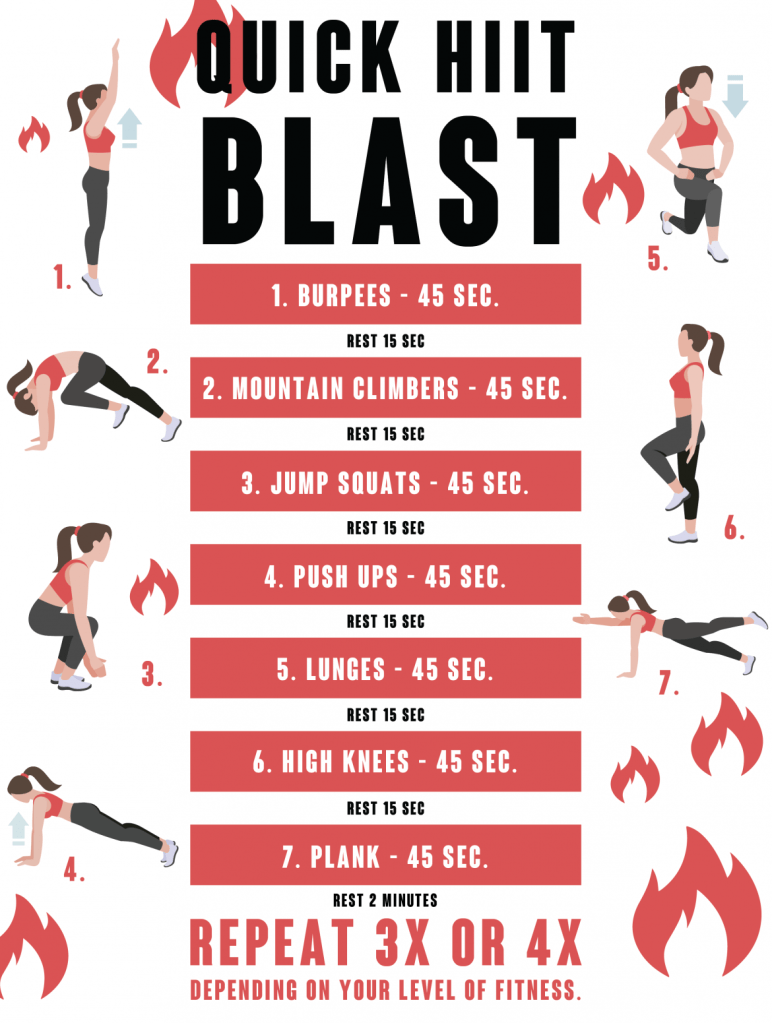
Perhaps, not all exercises are created equal — at least according to a new study in the European Heart Journal. Endurance (meaning ‘aerobic’, Jane Fonda knew what she was doing after all!!) and high-intensity interval training (HIIT) can keep your heart rate up, support the length of your telomeres and can keep your cells younger for longer. These exercises help play a part in stimulating nitrous oxide, which helps keep your mitochondria healthy and maintain the fight-or-flight mechanisms in your body. Not to mention all the mood enhancing endorphins released during exercise. Even a short burst of 10 minutes’ brisk walking increases our mental alertness, energy and positive mood.
Don’t be fooled by the sleek CrossFit marketing. Any exercise in essence can be turned into a HIIT. Start your telomere-friendly routine now – but remember, consult with a specialist when in doubt.
POSITIVE THINKING: mood and stress management and optimistic mindset
Possibly the most difficult of the three, as it is linked not only to external physical factors but also to deep psychological triggers and general mindset. From a physiological perspective, when you experience stress, it activates a fight-or-flight response in your body. While this response is crucial to human survival in life-threatening conditions, experiencing it every day due to stress can be detrimental. This response can damage the mitochondria in your cells. The mitochondria are the powerhouse of the cell. If you constantly feel stressed out, it can also lead to an overproduction of myelin, which brings about permanent changes to the brain’s structure.
Where it gets really interesting is when you start reviewing research on the impact of positive thinking and you find that there is definitely a strong link between “positivity” and health. According to John Hopkins Institute, the ‘mechanism for the connection between health and positivity remains murky’, but researchers suspect that people who are more positive may be better protected against the inflammatory damage of stress. Another possibility is that hope and positivity help people make better health and life decisions and focus more on long-term goals. Studies also find that negative emotions can weaken immune response. Or, you can go with the theory of Bruce Lipton, where it’s all a matter of energy and vibrational coherence that controls the healthy state of our body cells. It doesn’t really matter, whatever works for you, the end result is what’s important.
Shifting perspectives and changing our outlook is easier said than done, especially when we’re under stress. Nevertheless, here are a few actions proven to make a difference:
- Simply, smile more, be it when you cross a stranger on the street (even if they stare back at you like you’re a lunatic) or by watching your favourite guilty pleasure on Netflix. Have you watched BONDiNG?
- Walk away from toxic environments and relationships, now! No excuses, not worth it. I’m talking about the irrationally demanding boss, a company with a culture that promotes chaos and rewards antagonism rather than cooperation, a so-called friend who is opportunistic and keeps on receiving but never gives.
- Put yourself in control. The more self-efficacy you have, the more you will believe in your ability to manage your symptoms and enjoy life again.
- Do something creative, regularly. Studies have shown that activities such as singing, dancing, writing, knitting, visual art and musical performance result in an “upward spiral” of positive thinking. Jazz hands everyone (as a gay man I had to throw that in there!)

I feel better already. I feel ready to take on life and fight against the relentless deterioration of my body cells. With the right food, exercise and mindset, I might not stop it, but at least I can influence it and stay healthier for longer.
Age might be a number after all!
Disclaimers: If you’re suffering from chronic stress, please seek professional advice. Also, I have left sleep out of this post, intentionally, to cover it separately, not because it’s not important.
Select rabbit holes note and scientific research references
- https://www.brucelipton.com/
- https://notunhealthy.com/lifespan-why-we-age-and-why-we-dont-have-to/
- https://medcraveonline.com/IJVV/who-had-their-finger-on-the-magic-of-life—antoine-bechamp-or-louis-pasteur.html
- https://www.wired.com/story/the-19th-century-crank-who-tried-to-tell-us-about-the-microbiome/
- https://www.cell.com/trends/biochemical-sciences/fulltext/S0968-0004(02)02110-2?_returnURL=https%3A%2F%2Flinkinghub.elsevier.com%2Fretrieve%2Fpii%2FS0968000402021102%3Fshowall%3Dtrue
- https://www.hopkinsmedicine.org/health/wellness-and-prevention/the-power-of-positive-thinking
- https://www.practicalpainmanagement.com/patient/treatments/mental-emotional-therapy/5-ways-positive-thinking?page=4#top
- https://connecthealth.org.au/enews/pursuing-a-hobby-can-improve-your-mental-health/#:~:text=Creativity%20boosts%20wellbeing%3A,wellbeing%20in%20many%20young%20adults
 Macro-Wellness