

For years, I had been battling against severe Irritable Bowel Syndrome (IBS), with issues ranging from physical pain spiraling out of control to incredible mood swings and, at times, extreme anxiety and depression. Like many sufferers, I started with traditional allopathic treatments with little to no results. Then, I threw myself into the opposite side, stalking fancy nutritionists on Harley Street, gladly overdosing on their algae excreted -and very expensive- supplements. I found myself chasing homeopathic gurus down dark alleys to their hidden herbal closets (surely, that should have been a sign). I was swallowing buckets of live probiotics back in 2000, long before the 1 million influencer videos you can now find on YouTube. I had tried it all. Everything. Until I came across this semi-enlightened gastroenterologist (say this fast, three times!) who said: try hypnotherapy, it might be psychological. I don’t believe in it, but some people like it. No comment.
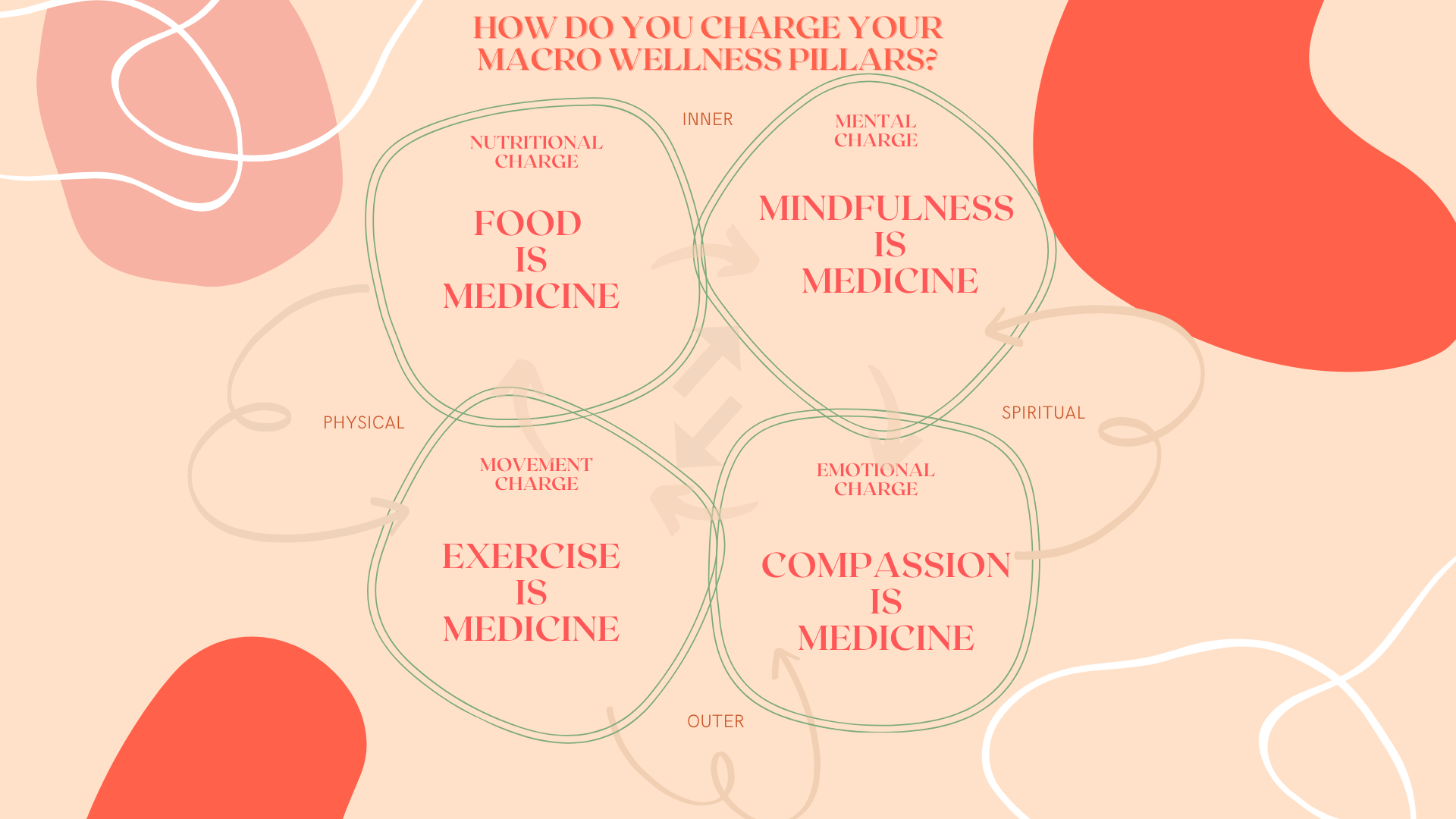
Fast forward fifteen years later. Hypnotherapy led to psychoanalysis, which in turn stretched into meditation and Cognitive Behavioural Therapy (CBT) counselling. After all these years I can finally say that I now know the underlying causes of my physiological issue. I can quickly recognise the triggers and I feel equipped to manage it in a way that doesn’t interfere with my everyday life. Most importantly, kind of a silver lining, this journey has been the main inspiration behind the Macro Wellness Wheel. Looking back at it, I now know which Emotional Charge related events affected my Mental Charge leading to the silent killer of our times: chronic emotional stress, of the kind that slowly eats you from the inside. I now know how, as the domino effect continued, how this chronic stress interfered with my eating and exercise habits (the Nutritional and Movement Charge in the Macro Wellness Wheel), and vice versa, creating an unavoidable viscous cycle for years. Let me explain.
The first event that interfered with my Mental and Emotional Charge was being rejected from my parents for who I was. Since the age of thirteen, this constant fear of not being accepted has been diminishing my own self-acceptance and self-compassion day after day, whilst it has been pumping up the volume of my inner-critic, that screeching little voice saying ‘you’re not good enough and you’ll never be’.
The second event that opened the floodgates of emotional inner-stress was a blatant rejection in the workplace from one of my bosses, as they pulled me aside one day to share their wisdom, packaged as ‘career advice’: ‘marketing is not your calling, you will be better off becoming a personal trainer to the stars’. I’m not kidding. Someone might argue they were visionary with their advice. Look at me now, slowly getting into the world of health and wellness (well, maybe not working with celebrities, yet). Seriously though. Back then I laughed at the event and brushed it off, but little I knew how detrimental it would end up being to my well-being.
Where am I going with all this? We don’t realise how all these seemingly unharmful events in reality trigger an alarm reaction, which is often referred to as the fight-or-flight response. It is activated by the sympathetic nervous system, leading to the secretion of adrenaline and eventually cortisol and other stress-related hormones. It is designed to counteract danger by mobilising the body’s resources for immediate physical activity. As a result, the heart rate and force of contraction increase to provide blood to areas necessary for response to the stressful situation. Blood is shunted away from the skin and internal organs, except the heart and lung, while the amount of blood supplying required oxygen and glucose to the muscles and brain is increased. The rate of breathing rises to supply necessary oxygen to the heart, brain, and working muscle. Sweat production increases to eliminate toxic compounds produced by the body and to lower body temperature. Production of digestive secretions is severely reduced because digestive activity is not critical for counteracting stress. Blood sugar levels rise dramatically as the liver converts stored glycogen into glucose for release into the bloodstream. What a tsunami of chemical reactions!
This is all well and good when you are running away from a drunken lunatic chasing you with a broken beer bottle as he screams at you ‘I’m gonna fucking kill you, you fucking faggot’ (Side note 1: are you surprised this happened to me? Side note 2: I refuse to use here the classic analogy of ‘stress is useful to help you run away from tigers, when was the last time you, or anyone else for that matter, ran away from a trigger? Unless you’re Carole Baskin). But when this ‘survival’ state is on 24/7, silently over long periods of time, then it’s problematic. Actually, more than problematic, it can be fatal. It completely messes up every single system in your body.

Noticeably, I am not alone in this. I’m not talking about clearly marked traumatic events here – say accidents or witnessing death – which obviously are equally, if not more destructive to our mental and emotional charge. Many, if not all, of us experience silent stressors, be it in our family setting, workplace, relationships or society at large. It’s called everyday living in a society that values speed, progress and competition above everything else. It’s not a surprise then that stress is recognised by many as the No. 1 proxy killer disease today. The American Medical Association has noted that stress is the basic cause of more than 60 percent of all human illness and disease.
Isn’t it time we do something about it?
The good news is that it’s all in our heads and I don’t mean this facetiously. Study after study have shown that it is not the external stressor that determines the response (this is not an excuse for all bullies out there to rampage freely) ; instead it is the individual’s internal reaction, which then triggers the response. This internal reaction is highly individualised. What one person may experience as stress, the next person may view entirely differently. The external stressors will never go away and it’s futile to fight them. What we can all do is develop a resilient ‘system’ to help us manage stress successfully. Here are some pointers how:
EMOTIONAL CHARGE: self-compassion
Being kind to yourself is one of the biggest deficits in today’s culture. As Dr Kristin Neff (a professor at the University of Texas and an author of several best-selling books on the topic) explains, self-compassion is not something you do, like taking a bath, it is a state of mind. Achieving this mindset take times and effort, starting with:
- Reflect on your life, become aware of events and situations which are triggers of negative emotional feelings, no matter how insignificant they might be. Understand the why, not just the what. For starters, every time those triggers show up, you will know what to expect at a conscious level and be better prepared to deal with them.
- Go deeper to a subconscious lever to recognise the inner-critic in you and observe with equanimity every time that critical voice appears. Practise rewiring your mind on how you react to self-criticism. Experiment and find a method that works for you, be it Cognitive Behavioural Therapy techniques, or even simple everyday steps, like writing down every night before you go to bed three things that you’re proud of yourself you did during the day.
MENTAL CHARGE: mindfulness
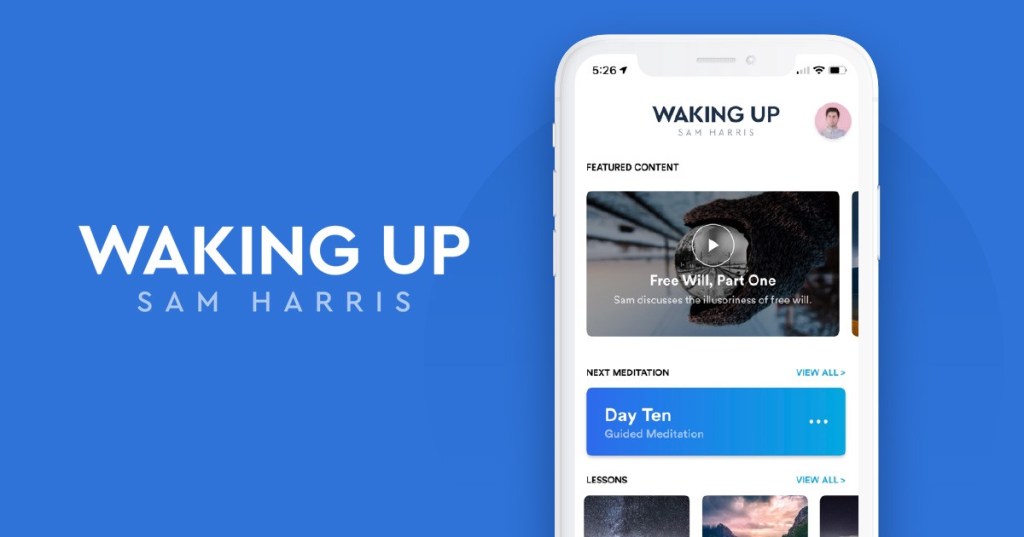
If you read my stories regularly, you won’t be surprised with the emphasis I put on awareness and equanimity of the mind, especially in your journey to conquer every-day stress. Daily meditation is, probably, your greatest tool here. Living an examined life is another philosophical tool that helps and links back to your self-reflection practice under Emotional Charge. So is simple mindful breathing techniques. Many studies are showing the amazing benefits of all of these tools on our well-being. There are many methods here, but the one I recommend is the Waking Up app by Sam Harris – a neuroscientist, philosopher, and New York Times best-selling author. It is a guide to understanding the mind, for the purpose of living a more balanced and fulfilling life.
What we tend to forget in the case of mindfulness is the impact it has on our physical health. It induces a state of relaxation similar to those during sleep. With the relaxation response, the parasympathetic nervous system dominates. The parasympathetic nervous system controls bodily functions such as digestion, breathing, and heart rate and is designed for repair, maintenance, and restoration of the body. It puts the body in a ‘creation state’ -the opposite of the survival state. The more we induce our bodies into this state, the more health benefits we reap.
MOVEMENT CHARGE: physical activity
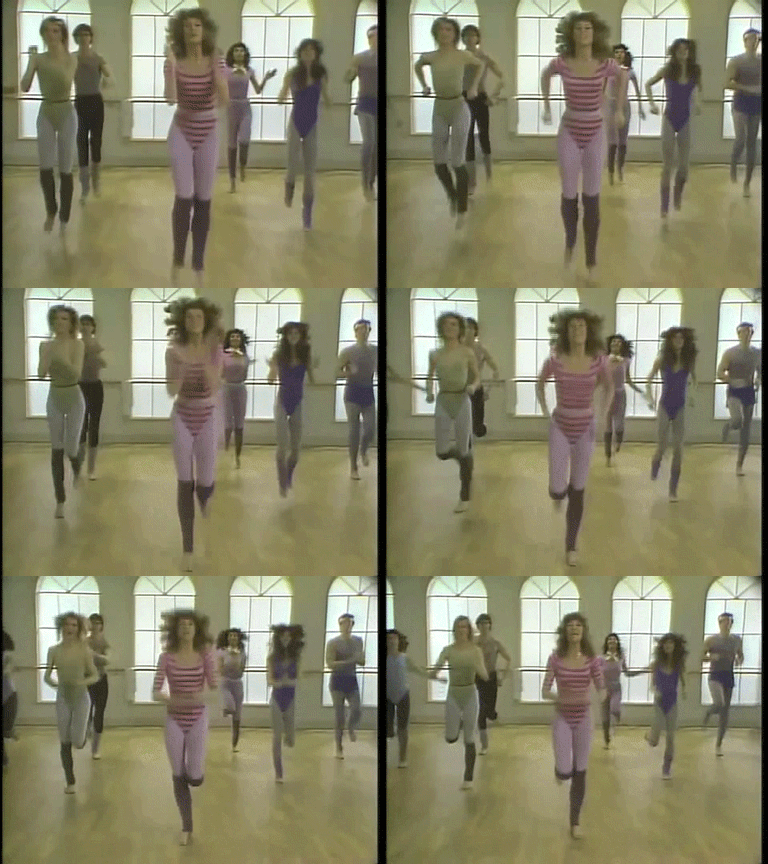
It’s been long established that exercise and other physical activity produce endorphins—chemicals in the brain that act as natural painkillers—and also improve the ability to sleep, which in turn reduces stress. I am a big fan of aerobic exercise, not the Jane Fonda type, although leg warmers are cute. I am referring to the fitness definition of it: increased breathing and heart rate for a sustained period of time. Scientists have found that regular participation in aerobic exercise has been shown to decrease overall levels of tension, elevate and stabilize mood, improve sleep, and improve self-esteem. Even five minutes of aerobic exercise can stimulate anti-anxiety effects. Regardless, virtually any form of exercise, from aerobics to yoga, can act as a stress reliever. It improves your body’s ability to use oxygen and also improves blood flow. Both of these changes have a direct effect on your brain, linking it back to your Mental Charge.
NUTRITIONAL CHARGE: micro-nutrients
According to Hans Selye (the founder of Stress Theory), whether or not stress is harmful to you is based on the strength of your system. From a purely physiological perspective, it can be strongly argued that delivery of high-quality nutrition to the cells of the body is the critical factor in determining the strength of the system. Although there is no miracle food that can fight or reduce stress, stress increases the need for certain nutrients:
- Magnesium is essential for fighting stress and raising energy levels. It improves the nervous, psychic and emotional balance.
- B vitamins (especially B6, B9, B12) are necessary for the production of neurotransmitters like dopamine and serotonin, which help regulate mood.
- Choline, a nutrient found in large amounts in only a few foods such as eggs, has been shown to play an important role in brain health and may protect against stress.
- Finally, many studies have demonstrated the antidepressant actions of omega 3.
By improving nutrition, one can easily provide the necessary energy and support the circulatory changes required to deal effectively with emotional crises and offer better resistance to stress.
I hope you can see now how everything is interconnected and interdependent through the 4 pillars of Macro Wellness and how you can start thinking about building a resilient system against stress. Whether you have an urgent physical problem, issues with sleeping or feelings of anxiety, the chances are that, if you live in the 21st century, you’re a victim of this silent killer. Nobody’s body deserves being in a constant state of survival (unless you’re Carole Baskin?). So, don’t delay it, do something about it today.
Select rabbit hole notes:
- https://adaa.org/understanding-anxiety/related-illnesses/other-related-conditions/stress/physical-activity-reduces-st
- https://www.healthline.com/nutrition/stress-relieving-foods#3.-Sweet-potatoes
- https://www.procure.ca/en/2018/05/06/10-anti-stress-foods/#:~:text=Although%20there%20is%20no%20miracle,nervous%2C%20psychic%20and%20emotional%20balance
- The Encyclopedia of Natural Medicine Third Edition
 Macro-Wellness