

We don’t talk enough about the impact of losing your livelihood on your overall health, not only mental, but also physical, spiritual and social. The post-pandemic reality has hit many people hard. Incredibly hard. Like an unexpected slap on the face. Cheek red. I’m one of the lucky ones. My partner isn’t. He’s in the arts, you see. Like him, many of my coaching clients suffer from anxiety, either caused by the uncertainty around their job, or, from having everything going your way to having everything going against you. Salmon in upstream waters. Health issues appear out of nowhere. Sudden lower back pains, weight gain, digestive issues, headaches, stress, mood swings, lack of energy. Few make the connection that it’s all linked to the mental state and stress they are under. Most carry on wondering what has changed and which medicine they should take.
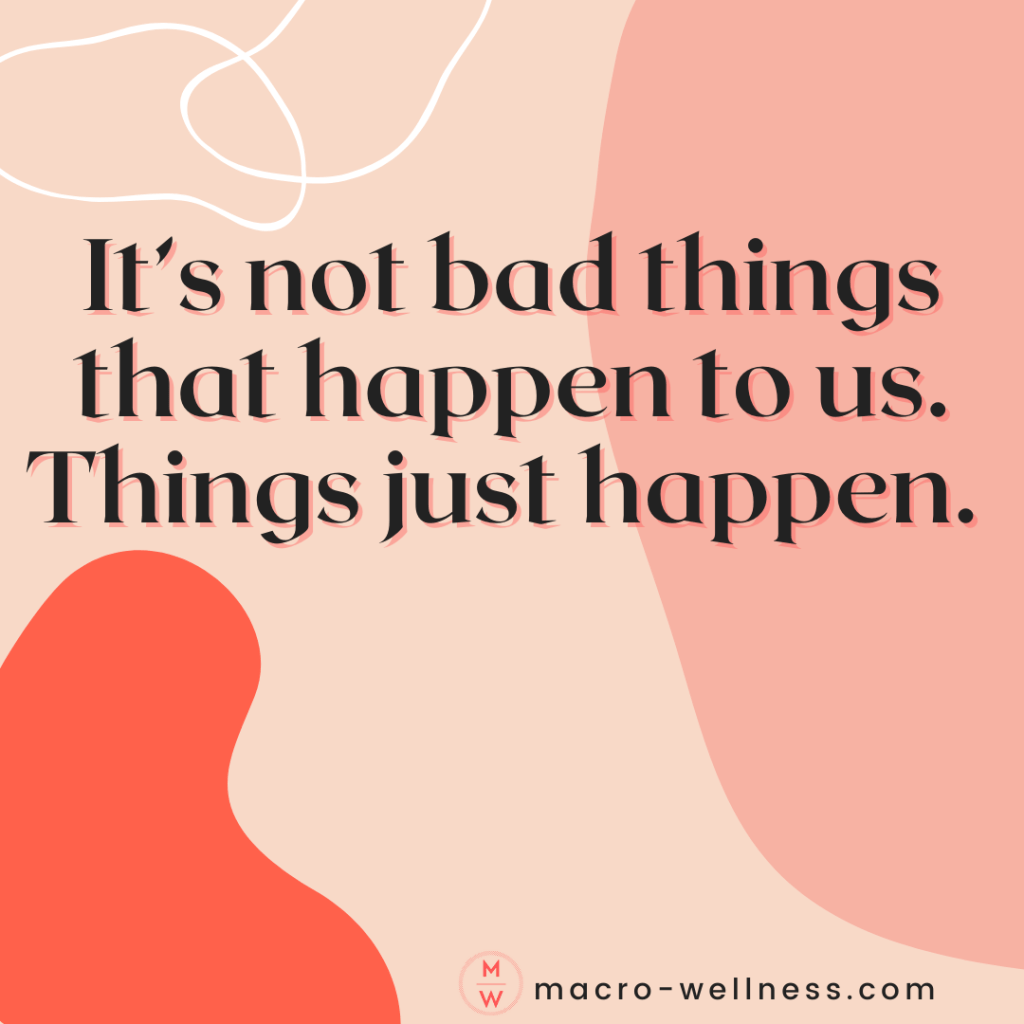
So, in the last few months I became a man on a mission to find an alternative way to support my partner, my clients, and myself. In combination with nutrition and movement (always a critical foundation for any well-being regime) I got into the world of resilience, heart variability rate and heart coherence. You see, everything starts with a simple yet tremendously powerful premise: it’s not bad things that happen to us. Things just happen. Full stop. It’s how we perceive things that makes them good or bad. And we have the power to change our perception. If there is one thing we’re in control of is our emotions. The mere realisation of this power has proven in clinical tests to boost resilience -emotional and physical- reduce stress and improve overall wellness. As someone who’s been struggling with this his whole life, I’d be the first one to roll my eyes, mumbling: that’s nice, but it’s easier said than done. Yes, it’s not easy, it takes practice and requires continuous maintenance, like all things Macro-Wellness. But there is a way out and it’s worth the effort.
Breath. The most amazing, abundant and free well-being tool you’ve ever known. We’ve always known about it, yet always ignored it, overlooked it or abused it. Unfortunately, science tells us we’re not breathing properly, due to modern lifestyle and bad posture. Even the junk food and sugar we consume influences our breath. Simply put, our breath is too shallow, too fast, and coming in from the mouth more often than it should. Fast and shallow is ok when in ‘fight or flight’ mode, but not when it’s on 24/7. At its simplest, good breathing should be deep and slow, coming from the gut, aka diaphragmatic. It is known to help manage the symptoms of conditions as wide-ranging as irritable bowel syndrome, depression and anxiety, sleeplessness and many more. Diaphragmatic breathing stimulates the Parasympathetic Nervous System through the vagus nerve, responsible for relaxation, digestion and restoration. This helps you relax, lowering the harmful effects of the stress hormone cortisol on your body. It lowers your heart rate and blood pressure. In effect, the breath is your first tool to increase your resilience, manage stress, reset your mindset and cope with everything life throws at you. And it’s free, didn’t I mention that? Clinical tests have shown that you can have all these benefits just after 10 minutes of practice. Imagine what you can achieve with continuous practice.
Over the last few months I have been experimenting (training and practicing on myself) with numerous exercises and approaches to breathwork. There is Box Breathing, holding your breath, alternate nostril breathing, holotropic breathwork, Shamanic breathwork, Pranayama, Wim Hof Method and the list goes on. There is no right or wrong type, it really depends on the individual. As I usually say to the people I work with: try it and see how you feel. Nevertheless, creating a routine is a good way to get in the habit of practicing your breathing exercises – don’t just do it as a panic response to stress. Here are some tips to get you going:
- Like meditation, do your exercises in the same place every day. It’s all about creating a habit.
- Find a position that works for you. I personally struggle when instructors are rigid, like forcing me to touch my fingers in a certain way. Let me be me!
- Practice at least once or twice daily. Try to do them at the same time each day to reinforce the habit. First and last thing in the day works for me.
- Practice for about 10–15 minutes at a time. No need for long sessions.
I hope you all get the chance to experience the amazing benefits of breathwork at some point. Get in touch if you want to discuss and learn more, you know how much I love connecting with like-minded people.
 Macro-Wellness
One Reply to “”