

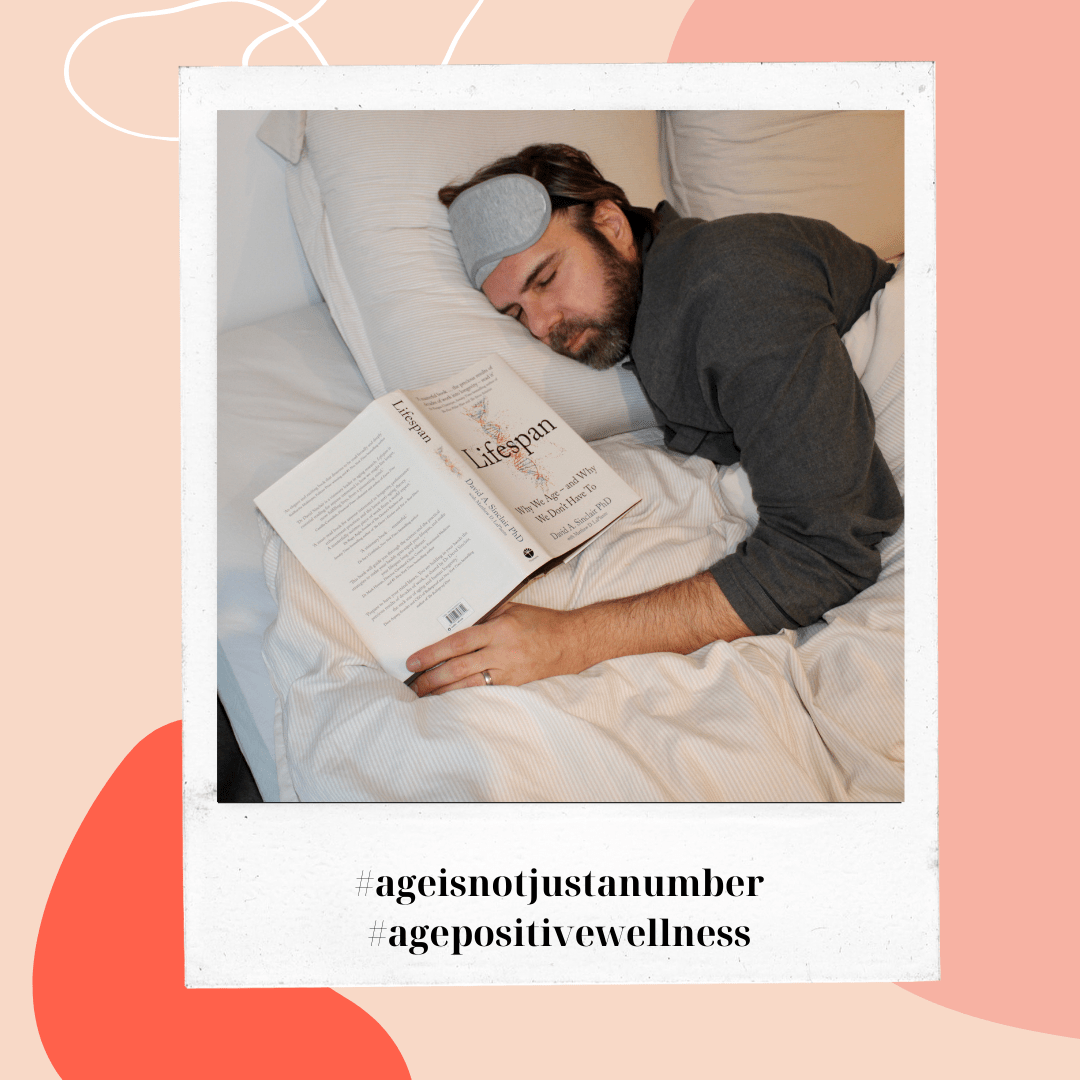
‘You look so good. For your age!’
How many times have you cringed at that ‘compliment’, followed by, age is just a number, as you’re cut off unexpectedly right at the point of you saying that you woke up with a sudden pain in your neck. It happened to me just the other day during a business meeting. Well-intended I am sure, leaving me, nevertheless, unable to continue the chitchat. Terrified by the thought of working in an industry where youth trumps wisdom and experience, I immediately turned to my blog, to help me clarify how I feel about this unconscious ageism, as well as uncover a thing or two about the science behind aging. Bring out the catharsis!
First of all, how I look is irrelevant. In this instance, it’s how I feel that matters. Once I cross 40 (let alone 50) I am allowed to feel crap sometimes. Our bodies are allowed to fail us, it’s just the natural progression of life. So guess what, age is not just a number, and here’s why (excuse the patronising, talking to a 3-year-old-child type of tone).
Our bodies are made up of cells. There are many different types of cells, but all have the same basic structure. All cells experience changes with time. They become larger and are less able to divide and multiply. As cells age, they function less well. FULLSTOP. Eventually, no matter how much you’re trying to tell yourself otherwise, organs, tissues, bones and everything else that is made up of cells (aka your entity body), lose their shiny optimal condition of adolescence and begin to function less optimally.
No one knows how and why this happens. It’s complex. No single process can explain it. Most gerontologists (yes, that’s a profession, people who study aging) feel that aging is a cross of many lifelong influences from heredity, environment, culture, diet, exercise, lifestyle, past illnesses, and many other factors. Regardless, scientists seem to agree on one element:
- Oxidative stress is one of the main factors that contributes to cellular aging. It refers to damage to DNA and other cellular biomolecules from reactive oxygen particles, aka ‘free-radicals’.
- Free radicals are created as a by-product of natural processes when cells produce energy (the irony of it), as well as a product of inflammation. You can also acquire them from your environment through things such as pollution, smoking, chemicals, or alcohol consumption.
- Related to this, there is also new scientific research around Telomeres and their role in aging. Telomeres are like little caps on the ends of our chromosomes, that protect genetic information from becoming damaged during cell replication. When the telomeres become too short to allow for replication, the cell eventually dies. While it’s known that chromosome replication shortens telomeres, some experts believe oxidative stress can also shorten them.
What does all this mean? The more free-radicals you have in your system, the less efficient cells become, the more prone to age-related malfunctions they become, as simple as this.
So, no, age is not just a number. It’s a fact.
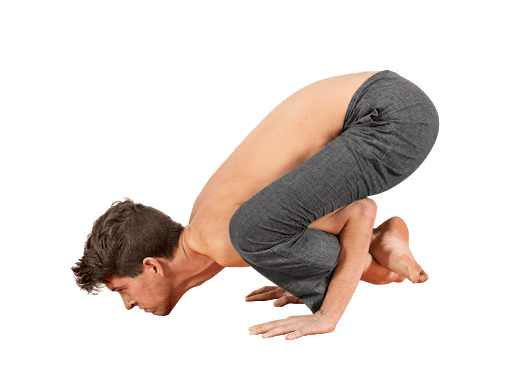
I am not promoting a defeatist attitude here. I don’t want us, the over-50s, to stay at home, do our gardening, play bridge with other people of our age (or whatever the hell the trendy ‘silver’ game is), take our pills and be quiet. Nor am I advocating for the other extreme, be like Madonna, who does a Bhujapidasana pose in her sleep and shames everyone else who doesn’t (I’m including a picture of it, to save you googling it). I want to put forward the case for an Age Positive attitude, where we embrace the ageing process from a very young age and manage it with care, respect and optimism, without fighting it or ignoring it. Age Positive is not just about older people ageing gracefully, accepting their wrinkles and avoiding surgery. Nor is it just about older people being accepted in the workplace. It is a wellness mindset that should start in your 20s and continue throughout your whole life by appreciating that cells change over time and by taking the right preventative steps to slow down cellular deterioration and support a healthier body and mind for longer.
So, whether you’re a 20-something managing 3 gig-economy jobs and partying hard like there’s no tomorrow, a 30-something climbing fast that corporate ladder, or 40+ who still is surprised at discovering sudden aches and pains on your body, there are a few simple steps to take and habits to integrate in your everyday; there is more we can do than just having an optimistic attitude about age.
But this post is getting too long, and I am afraid I’ll lose you. Tune in to my next post to find out about Age Positive mindset and habits. Until then, be 40/50/60/70/80 and ferocious.
Select rabbit holes note and scientific research references
- https://www.cell.com/trends/biochemical-sciences/fulltext/S0968-0004(02)02110-2?_returnURL=https%3A%2F%2Flinkinghub.elsevier.com%2Fretrieve%2Fpii%2FS0968000402021102%3Fshowall%3Dtrue
- https://thebeet.com/can-a-plant-based-diet-reverse-aging-science-says-yes/?utm_source=tsmclip&utm_medium=referral
- https://www.thelancet.com/journals/lanonc/article/PIIS1470-2045(08)70234-1/fulltext
- https://medlineplus.gov/ency/article/004012.htm
- https://www.msdmanuals.com/home/older-people%E2%80%99s-health-issues/the-aging-body/changes-in-the-body-with-aging
- https://www.ncbi.nlm.nih.gov/pmc/articles/PMC4072651/
- https://www.theguardian.com/science/2018/oct/06/race-to-kill-killer-zombie-cells-senescent-damaged-ageing-eliminate-research-mice-aubrey-de-grey
- https://www.sciencedaily.com/releases/2019/07/190725151018.htm
- https://www.ncbi.nlm.nih.gov/pmc/articles/PMC4214092/
 Macro-Wellness
OK… I am listening…..I really don’t mind getting older but my body is taking it badly……
LikeLike