

For those of you who follow my blog or know me in person, know that I’m not a big fan of being obsessed with weight loss. It’s counter-productive and usually leads to short-lived outcomes. Haven’t we all fallen victims of miracle diets at some point in our lives? On the other hand, I do like and promote burning fat as a goal on the journey towards a healthier lifestyle and peak performance. ‘Fat burning’ refers to the ability to oxidise (aka burn) fat, and thus to use fat – instead of carbohydrate – as a fuel. Fat burning is often associated with a healthy body weight, decreases in body fat and increases in lean body mass, all of which are markers of good health, physically and mentally.
The science behind it is fascinating. The more we learn about it, the easier it is for us to intervene and achieve our goals for positive weight management.
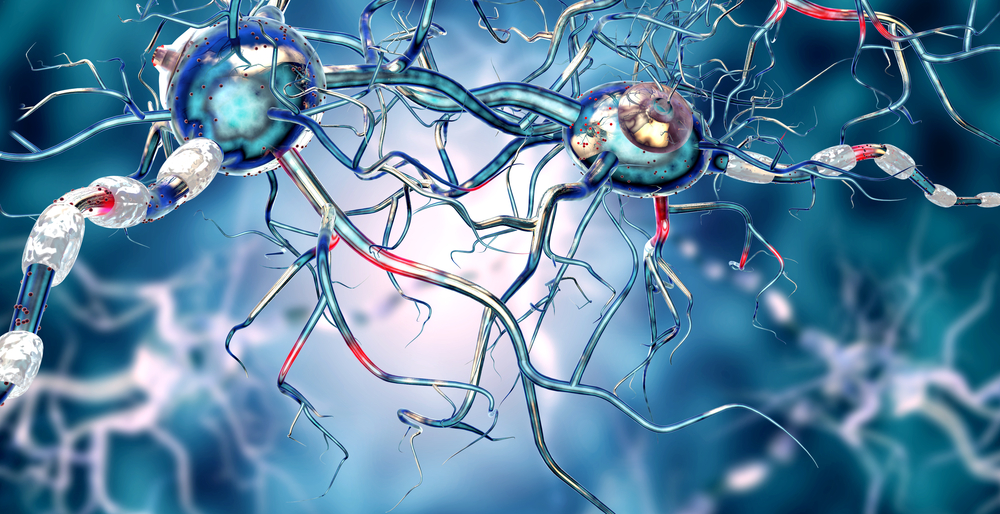
Science tells us that the process of breaking down fatty acids involves two steps: mobilisation and oxidation. Most people don’t realise it (well, at least I didn’t know about it) but our neurons connect to our fat and release adrenaline to facilitate these two steps. In times of stress when the body requires energy, fatty acids are released and mobilised for use, but that’s a slow process, and that’s why our system always goes for sugars as the first go-to fuel. We can use this insight though to trick our nervous system into action by applying two science-based biohacks in our everyday routine and achieve maximum fat burning:
Shivering/Fidgeting movement – We can activate the nervous system in a way that promotes fast liberation of fatty acids and oxidation by stimulating adrenaline release through the neurons connected to our fat. The best way to do this is through shivering and fidgeting. Yes, this subtle, small type of movement is a strong stimulation factor for adrenaline at the point of contact between neurons and fat cells. There are many ways to leverage shivering and fidgeting (it’s not just induced by cold) through a N.E.A.T protocol (non-exercise activity thermogenesis) that fits your lifestyle (subtle service placement here to speak to a wellness coach!)
Fasted Exercising – Eating carbohydrates has a large influence on fat mobilisation and oxidation during exercise; when you eat before working out (especially carbs) there is sufficient glucose reserves in the body; it becomes the preferred fuel during exercise. This is especially important during intense exercise because only carbohydrates (not fat) can be mobilised and oxidised rapidly enough to meet the energy requirements. If however you do this after 8-10 hours of fasting, then the process of adrenaline release on the fat cells is turbo-charged due to the stress induced by fasting and the lack of glucose in the system. I apply intermittent fasting for up to 16 hours without food, skipping breakfast, so I always do my exercise in the morning for maximum impact. Again, before you apply any fasting protocols you should speak to your doctor, especially if you are diabetic.
Next time you’re in a meeting or out socialising with friends, pay close attention, if you see someone being extra fidgety, it might be part of their fat burning routine!
Select rabbit-hole notes
Special thanks to Dr Huberman for the continuous inspiration and knowledge!
 Macro-Wellness
You need to finish this with “I’ve read lots of books. Look at all the books I’ve read”
Sent from my iPhone
LikeLike